|
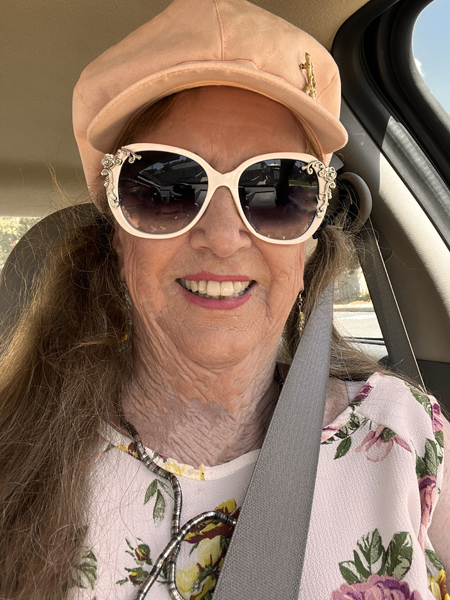
Lee and Karen Duquette
took a day trip in their car to York, South Carolina
August 9, 2026
|
|
|
 |
 |
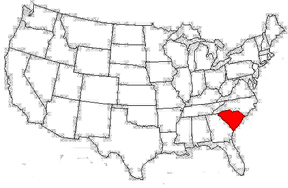
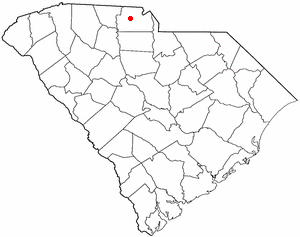
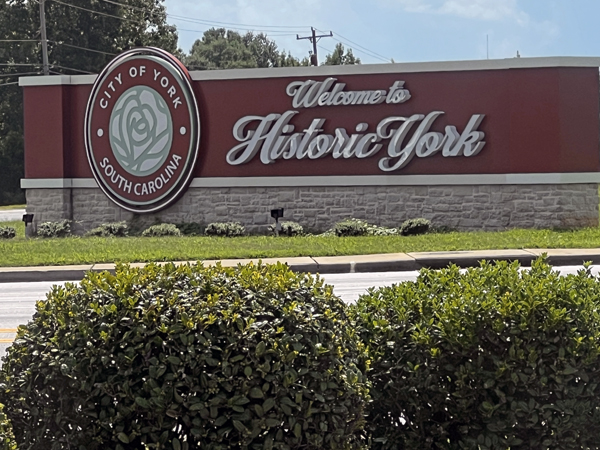
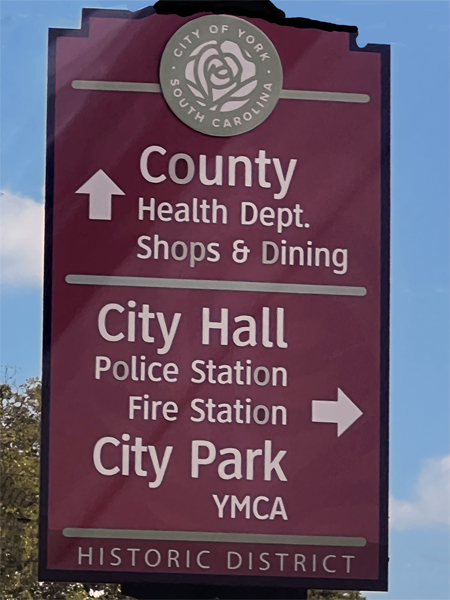
 York is a city in and the county seat of York County, South Carolina,
United States. The population was 8,053 as of the 2020 census. York is
located 27 miles southwest of Charlotte, North Carolina and 13 miles west
of Rock Hill, South Carolina.
York is a city in and the county seat of York County, South Carolina,
United States. The population was 8,053 as of the 2020 census. York is
located 27 miles southwest of Charlotte, North Carolina and 13 miles west
of Rock Hill, South Carolina.
The first European settlers came to York in the early 1750s
from Pennsylvania and Virginia. Of the three major groups settling Pennsylvania,
the English came first, then the Germans, and then the Scots. The county
names of Lancashire, Cheshire and Yorkshire had been brought from England
to Pennsylvania, and then on to South Carolina by the early settlers.
Prior to this, the first known inhabitants of York County
were the Catawba Indians.
The town of York was originally known as Fergus's Crossroads
for a tavern, owned by two brothers, William and John Fergus, that was
located at the intersection of the road from Rutherfordton to Camden and
the road from Charlottesburg (Charlotte) to Augusta. When the county of
York was established in 1785 the state statute required each county to
erect a courthouse and public buildings in the most convenient part of
the county, with a tax levied to cover the cost of "building the
court houses, prisons, pillories, whipping posts and stocks." Fergus's
Crossroads was near the geographic center of the newly formed county and
was chosen for the site of the new county seat.
The town of Yorkville was established as the County seat
in 1785. Situated between two Revolutionary battle sites, the Battle of
Kings Mountain and the Battle of Williamson's Plantation, York was the
only county in South Carolina to remain undefeated during that war.[clarification
needed]
In 1823, there were 451 people living in Yorkville, 292
white and 159 black, with 80 houses in the town, eight stores, five taverns,
one male academy and one female academy and a printing office. The town
could boast 52 mechanics, eight lawyers, two physicians and one clergyman.
Yorkville was officially incorporated on December 7, 1841.
W. I. Clawson was the first mayor, and Stanhope Sadler, F. M. Galbraith,
T. H. Simril and B. T. Wheeler were wardens. The population was about
800. Over the next two decades, before the outbreak of the American Civil
War, Yorkville's population swelled to 2,000. In 1860 a gas works was
installed on West Liberty Street, below the old county jail; Yorkville
was the first town in the Upcountry with gas lighting.
In 1853, Lewis Grist bought his father's newspaper and
changed the name to the Yorkville Enquirer, which was published weekly
until 2006, when it was merged with the Clover Herald to form the Enquirer-Herald,
a weekly newspaper covering western York County.
In 1915, the residents of the town voted to shorten its
name to "York". |
|
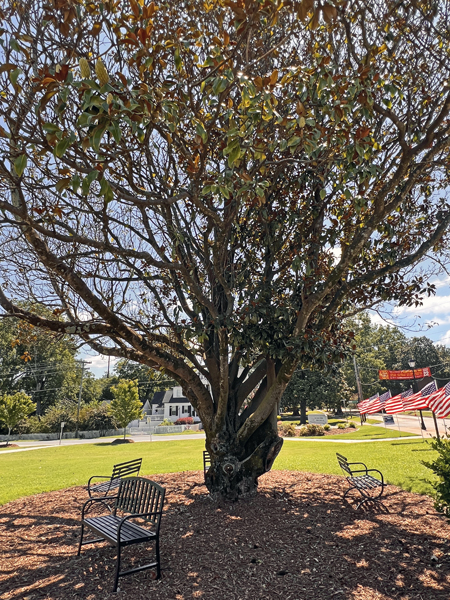
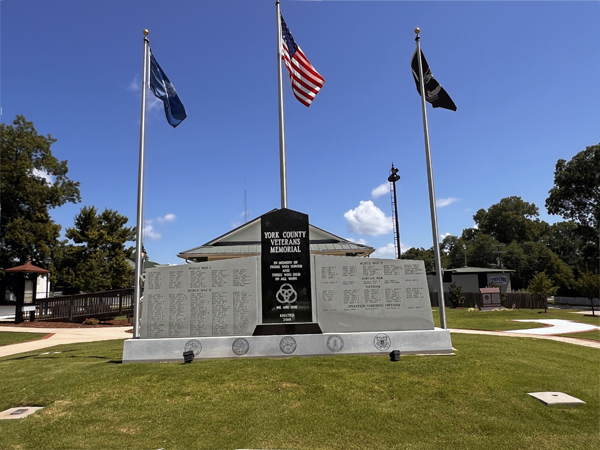
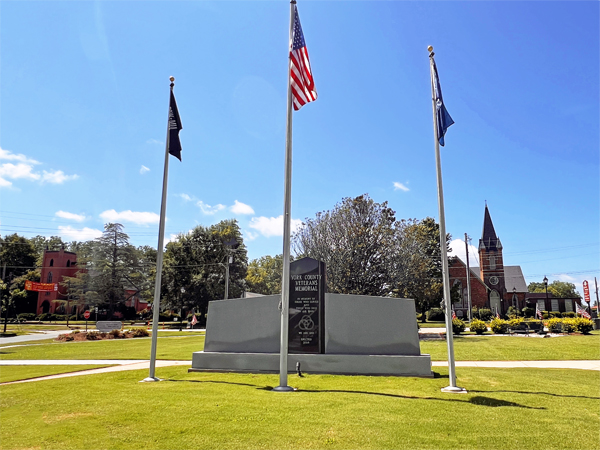
Below: Lee and Karen Duquette
stopped at the local York County Veterans Memorial. |
 |
 |
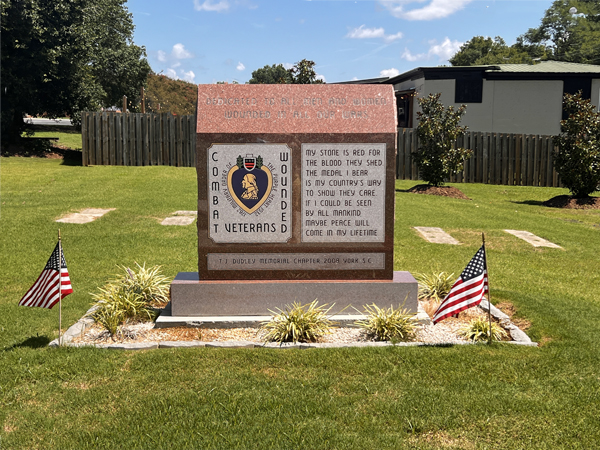
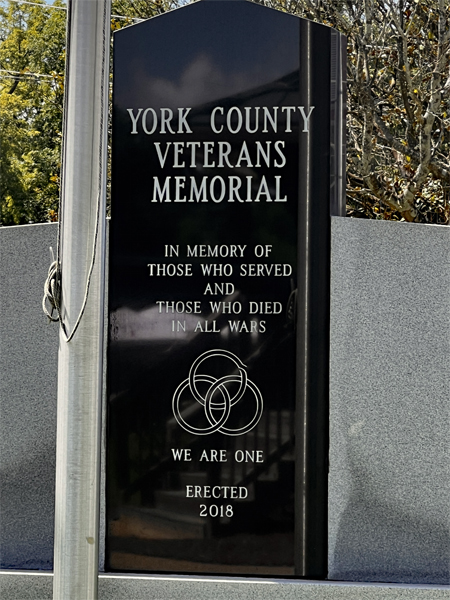
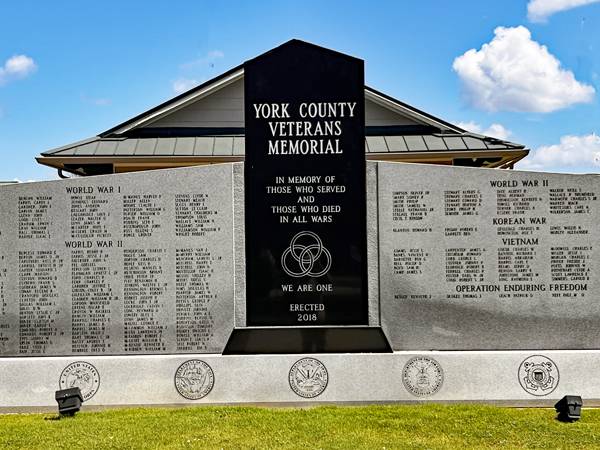
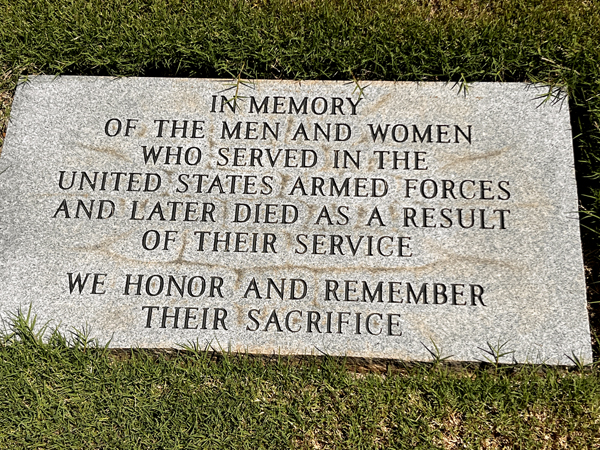
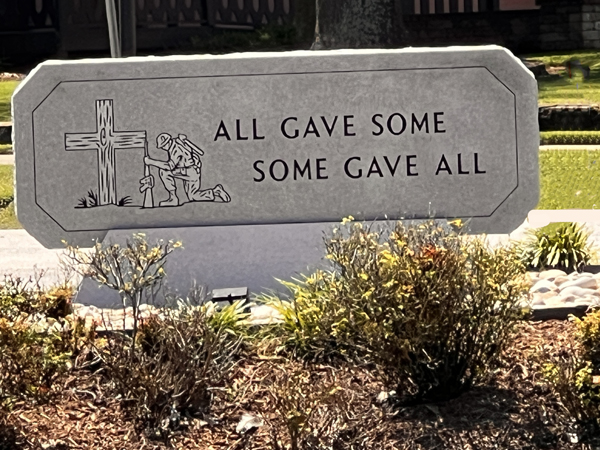
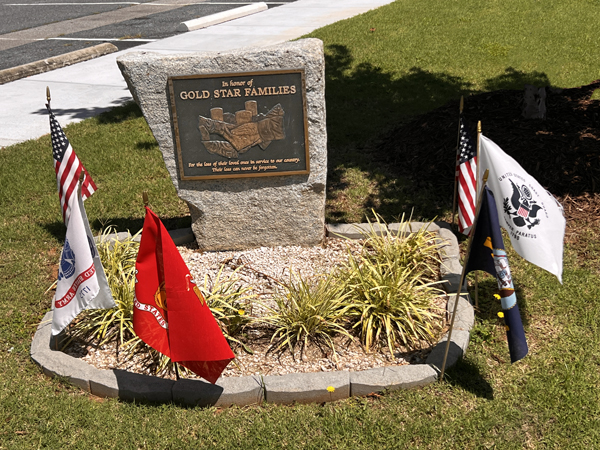
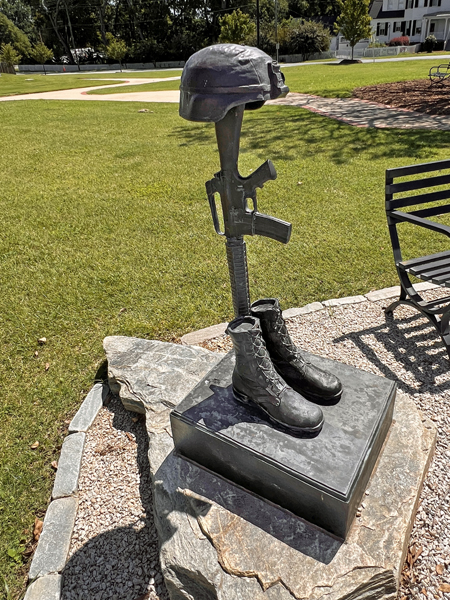
The York County
Veterans Memorial was dedicated on Saturday, November 10, 2018. It is
a wonderful place to come reflect and honor those who made the ultimate
sacrifice. Lee and Karen Duquette stopped here on August 9, 2026 to pay
their respects to combat and wounded veterans. |
 |
|
 |
 |
 |
 |
 |
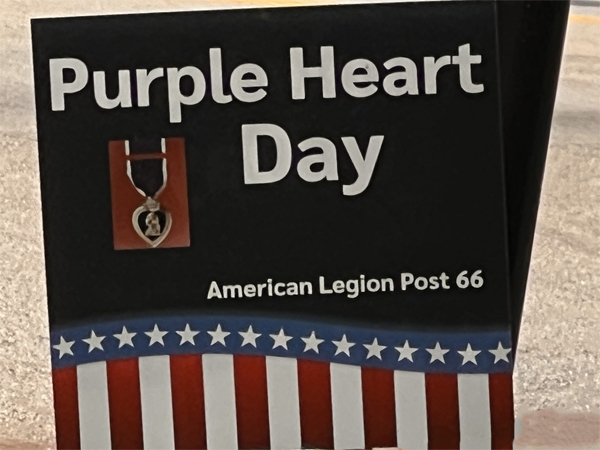
Purple Heart Day is observed
annually on August 7th to honor and remember U.S. service members who
were wounded or killed in action by enemy forces. The date commemorated
the creation of The Badge of Military Merit by General George Washington
in August 1782. |
 |
 |
 |
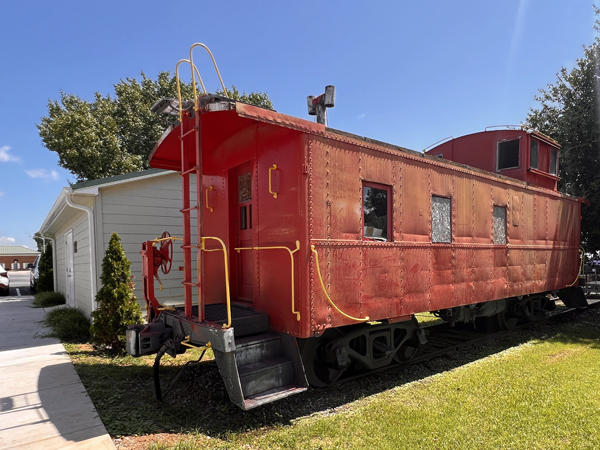
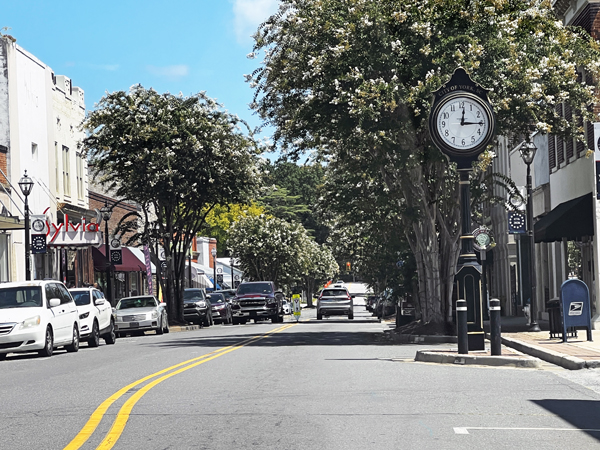
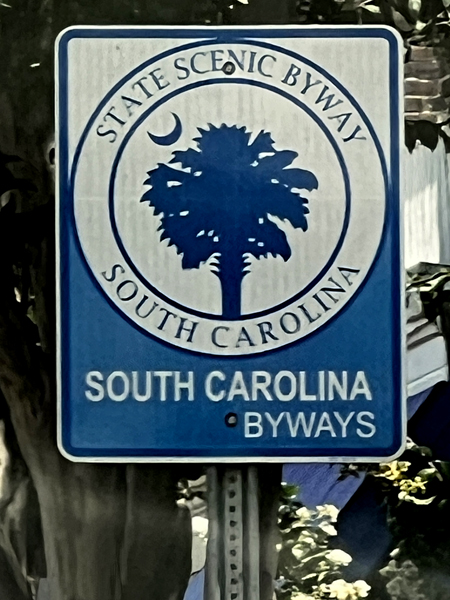
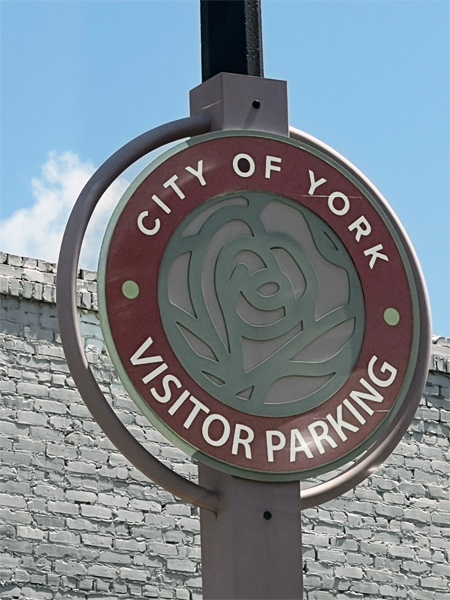
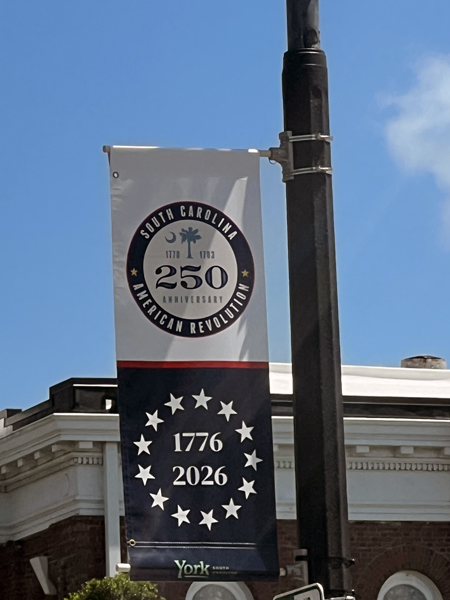
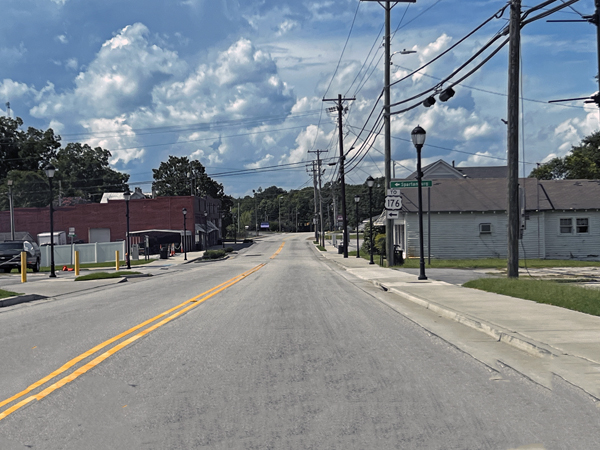
Below: Historic
Downtown York, 27 miles southwest of Charlotte, North Carolina and 13
miles west of Rock Hill, South Carolina. |
 |
 |
 |
 |
 |
 |
 |
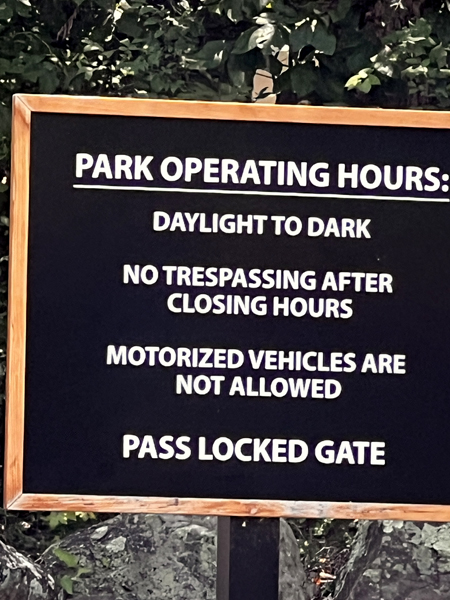 |
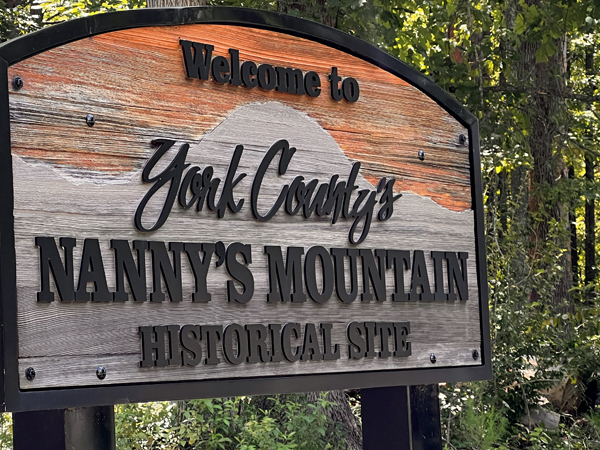
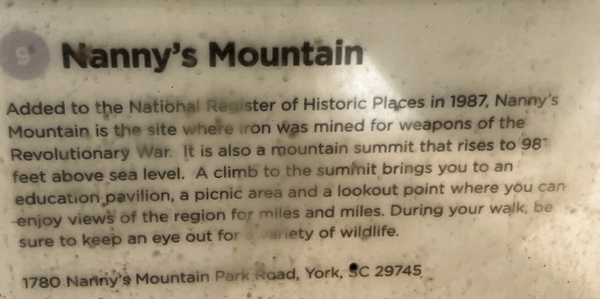
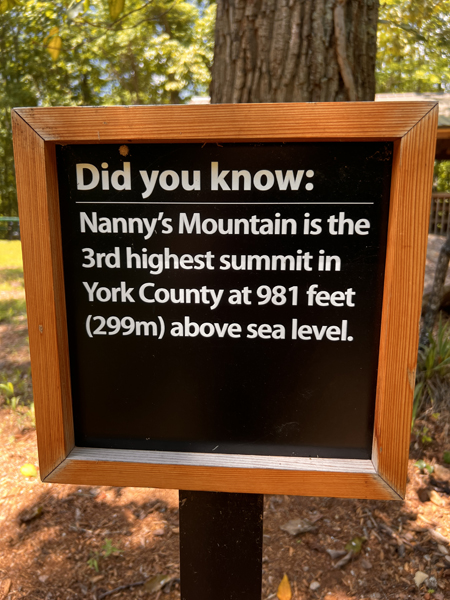
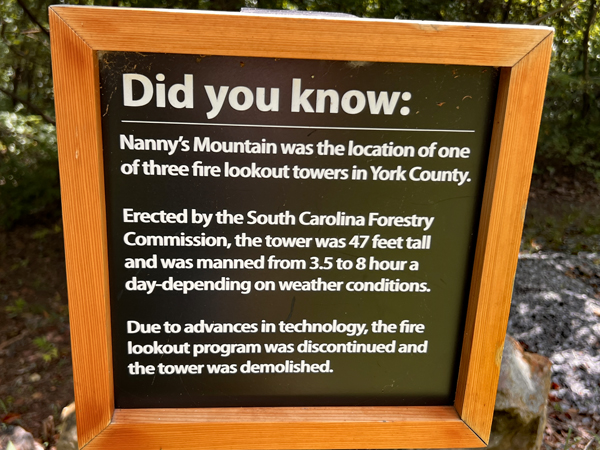
York County's Nanny's
Mountain is a historical park that dates back to the American Revolutionary
War. This is where South Carolina got the iron to manufacture its Revolutionary
War weaponry. |
Nanny's Mountain
Historical Park provides a 1.8 mile trail at the top of Nanny's Mountain
to a small mountain formation that is known as a monadnock, a single rock
outcropping surrounded by gently sloping land. |
 |
 |
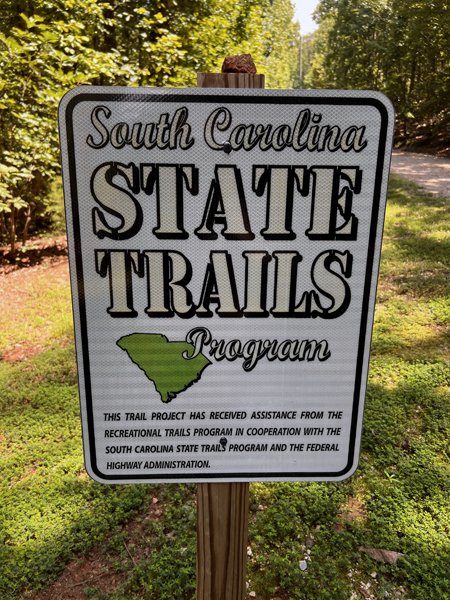
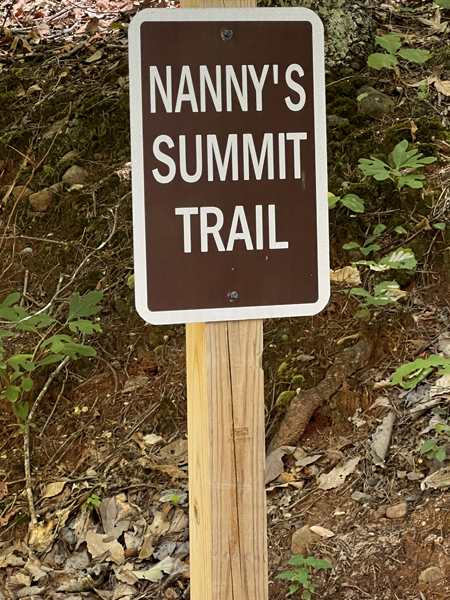
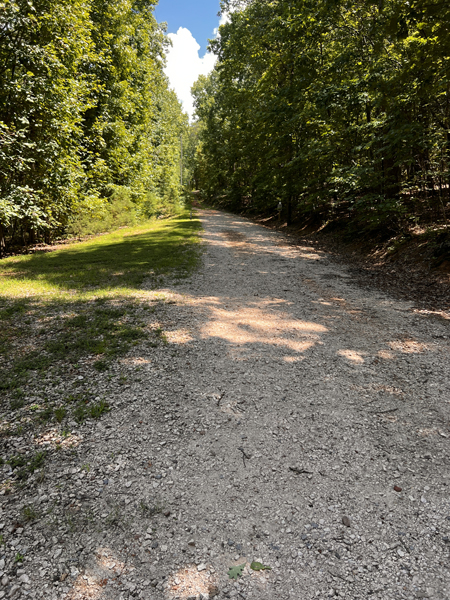
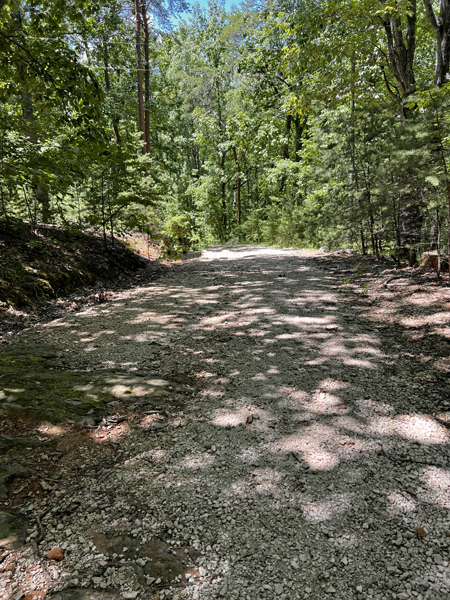
Below: Lee Duquette
parked the car at parking area on Liberty Hill Road West at SC 49. Lee
did not want to hike, so Karen Duquette took the hike by herself because
she thought she was going to get an overview look of the town. The trail
was an upward hike. |
 |
 |
 |
 |
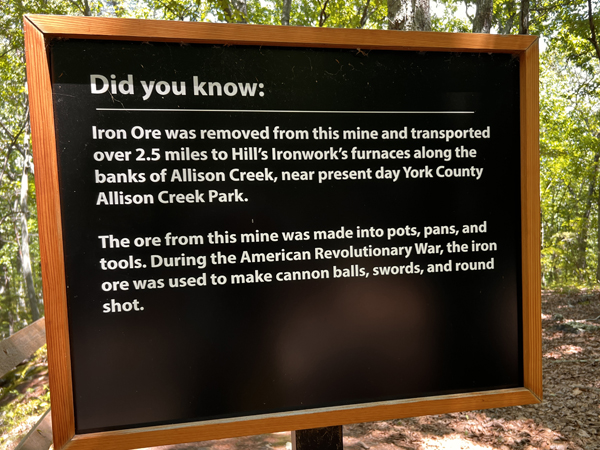
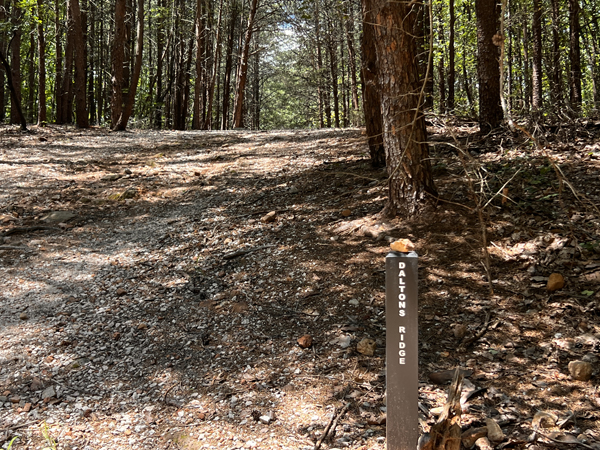
Below: Karen Duquette
passed passed the mines after the first-quarter mile of the hike, which
was all uphill. |
 |
 |
 |
 |
|
 |
 |
 |
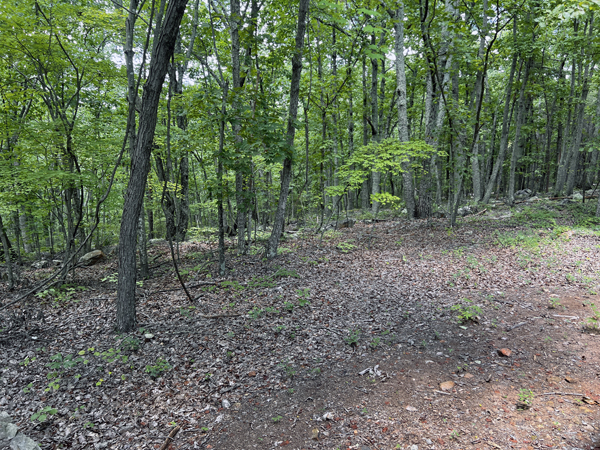
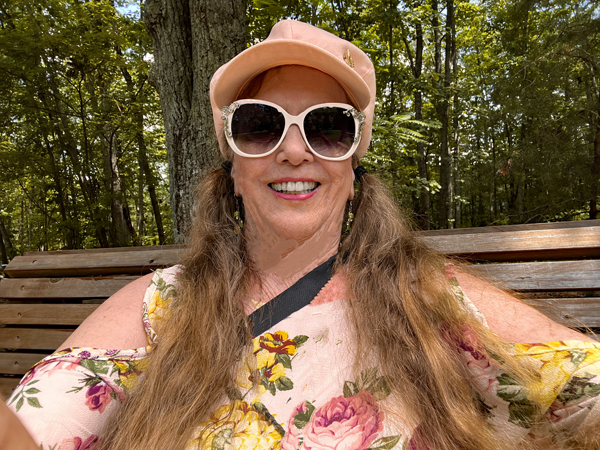
Below: Karen Duquette
reached the top of the trail and discovered that she could NOT get an
overview look of the town. The trail was an upward hike. Karen did not
see anyone else on the trail. |
 |
 |
Below: Then Karen
Duquette hiked back down the trail to where Lee Duquette was waiting for
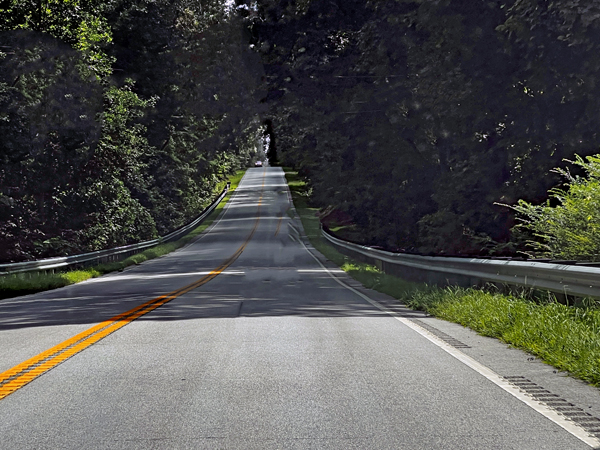
her in their car. Then they drove through several small cities, but did
not see too many things to photograph. |
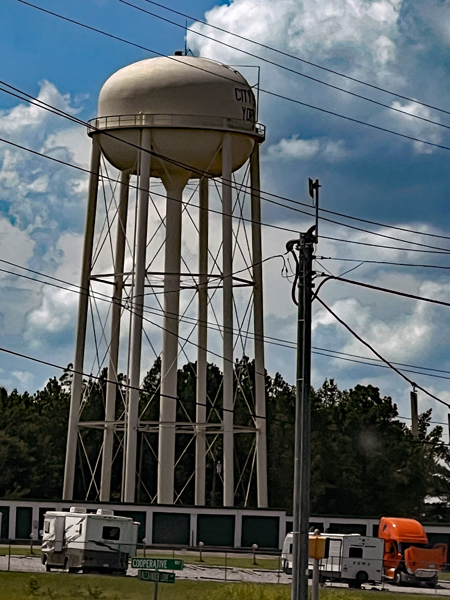
Below: City of York Water Tower |
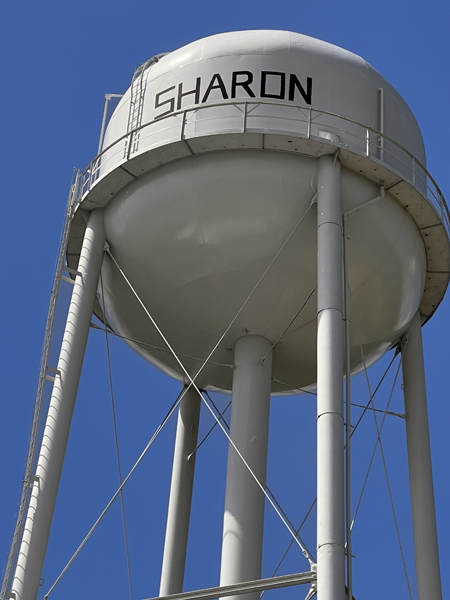
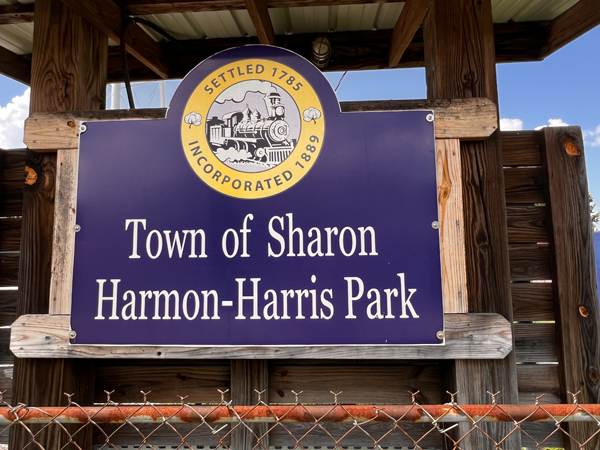
Below: City of Sharon Water Tower |
 |
 |
 |
 |
 |
 |
 |
Then Lee Duquette drove back to their little garage in
South Carolina. (Remember, they sold their RV at a financial loss because
Lee Duquette could no longer drive it. So until Lee is able to do longer
car rides, they still enjoy short day trips like this one) So this website
will continue to grow, but at a slower pace than before. |


 Previously Lee and Karen Duquette went to